Author: Igrace Mediatech

  • Tips for Creating a User-Friendly E-commerce Website

    Tips for Creating a User-Friendly E-commerce Website

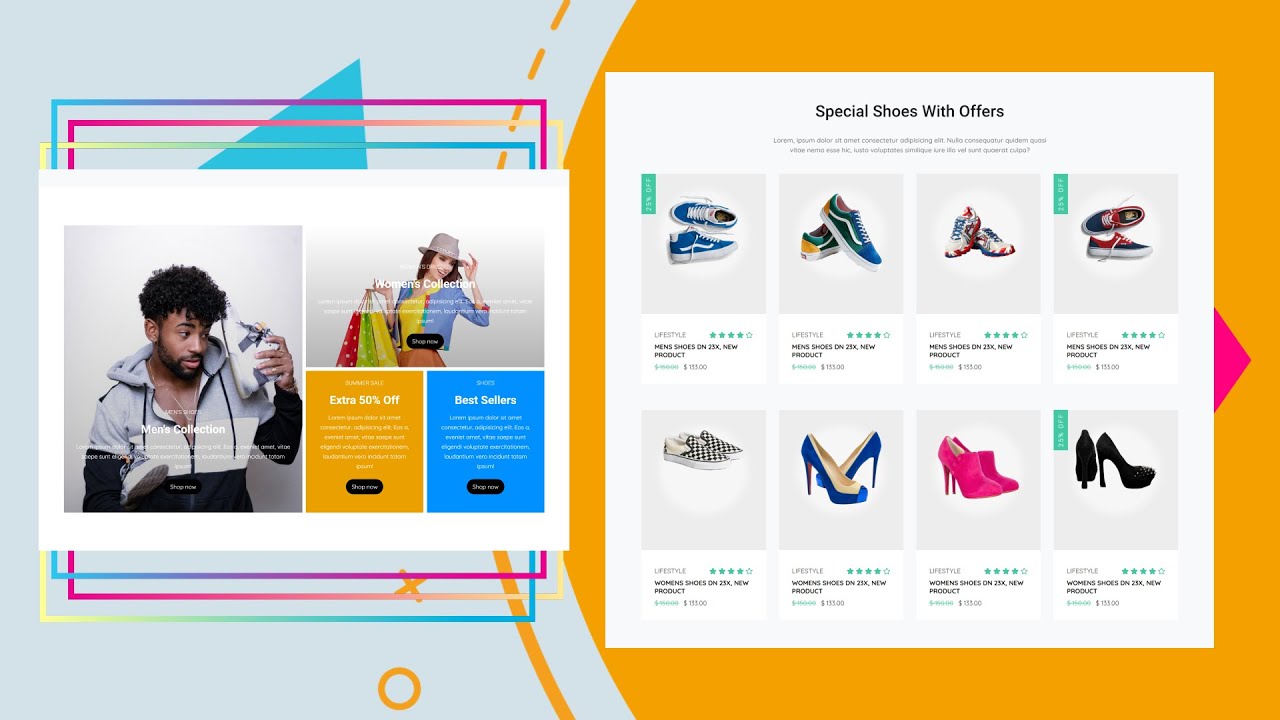
    Creating a user-friendly e-commerce website is crucial for attracting and retaining customers. A well-designed website can improve user experience, increase conversions, and ultimately drive business success. Here are some tips for creating a user-friendly e-commerce website:

    1. Simple Navigation

    • Use clear and concise menu labels
    • Organize products into logical categories
    • Use a prominent search bar

    2. High-Quality Product Images

    • Use high-resolution images from multiple angles
    • Show products in context
    • Use zoom and lightbox features

    3. Clear Product Information

    • Use concise and descriptive product descriptions
    • Include essential details such as price, size, and color
    • Use customer reviews and ratings

    4. Streamlined Checkout Process

    • Use a simple and secure checkout process
    • Offer guest checkout and easy registration
    • Use clear and transparent payment and shipping information

    5. Mobile Optimization

    • Ensure a responsive design that adapts to all devices
    • Use fast and efficient mobile loading speeds
    • Use easy-to-use mobile navigation and search

    6. Trust Indicators

    • Use trust badges and security certifications
    • Display customer testimonials and reviews
    • Use clear and transparent policies

    7. Personalization

    • Use personalized recommendations and offers
    • Use customer data to improve user experience
    • Use A/B testing to optimize website elements

    8. Fast Loading Speeds

    • Use efficient coding and caching techniques
    • Use a content delivery network (CDN)
    • Use image compression and optimization

    9. Accessibility

    • Use clear and consistent typography and color schemes
    • Use alt text and descriptive text for images
    • Use closed captions and transcripts for multimedia content

    10. Continuous Testing and Improvement

    • Use analytics and user feedback to identify areas for improvement
    • Use A/B testing and experimentation to optimize website elements
    • Stay up-to-date with the latest e-commerce trends and best practices

    By following these tips, you can create a user-friendly e-commerce website that attracts and retains customers, driving business success. Remember to prioritize user experience, simplicity, and transparency to create a website that resonates with your target audience.

    Need help creating a user-friendly e-commerce website? Contact us at Igrace Mediatech to learn more about our e-commerce web development services and how we can help you drive success.

  • The Impact of Artificial Intelligence on Digital Marketing

    The Impact of Artificial Intelligence on Digital Marketing

    Artificial intelligence (AI) is revolutionizing the world of digital marketing, transforming the way marketers interact with their audiences and optimize their campaigns. In this blog post, we’ll explore the impact of AI on digital marketing and what it means for marketers.

    Personalization

    Artificial intelligence enables marketers to personalize their messages and content like never before. By analyzing vast amounts of data, Artificial intelligence can help marketers identify individual preferences and behaviors, allowing for tailored experiences that drive engagement and conversion.

    Predictive Analytics

    AI-powered predictive analytics enable marketers to forecast future trends and behaviors, allowing for proactive campaign optimization and resource allocation.

    Chatbots

    AI-driven chatbots are transforming customer service and support, providing 24/7 assistance and helping marketers automate routine inquiries.

    Content Generation

    Artificial intelligence can generate high-quality content, such as blog posts and social media posts, freeing up marketers to focus on strategy and creativity.

    Optimization

    Artificial intelligence can optimize campaigns in real-time, ensuring maximum ROI and efficiency.

    The Future of Digital Marketing

    As Artificial intelligence continues to evolve, we can expect even more innovative applications in digital marketing. From AI-powered influencer marketing to AI-driven social media management, the possibilities are endless.

    Conclusion

    Artificial intelligence is transforming digital marketing, enabling marketers to personalize, predict, and optimize like never before. Embrace the power of Artificial intelligence to take your digital marketing strategy to the next level.

    Need help navigating the Artificial intelligence landscape? Contact us at Igrace Mediatech to learn more about our AI-powered digital marketing solutions and how we can help you drive success.

  • How to Use Email Marketing to Nurture Leads and Drive Sales

    How to Use Email Marketing to Nurture Leads and Drive Sales

    Email marketing is a powerful tool for nurturing leads and driving sales. By building a targeted email list and creating engaging content, you can establish trust with potential customers and guide them through the buyer’s journey. Here are some effective ways to use email marketing to nurture leads and drive sales:

    1. Build a Targeted Email List

    • Identify your ideal customer and create buyer personas
    • Use opt-in forms on your website to collect email addresses
    • Segment your list based on demographics, behavior, and preferences

    2. Create Engaging Content

    • Develop a content calendar that maps to the buyer’s journey
    • Use attention-grabbing subject lines and compelling copy
    • Include personalized recommendations and offers

    3. Nurture Leads with Automation

    • Set up automated email workflows based on triggers and behaviors
    • Use lead scoring to identify hot leads and prioritize follow-up
    • Use A/B testing to optimize email campaigns

    4. Use Segmentation to Personalize

    • Segment your list based on demographics, behavior, and preferences
    • Create targeted content and offers that resonate with each segment
    • Use dynamic content to personalize emails

    5. Drive Sales with Conversion-Focused Emails

    • Use clear and direct subject lines and copy
    • Include prominent calls-to-action (CTAs) and limited-time offers
    • Use social proof and customer testimonials to build trust

    6. Measure and Optimize

    • Track key metrics such as open rates, click-through rates, and conversion rates
    • Use analytics to identify areas for improvement
    • Adjust your email strategy based on data-driven insights

    By following these steps, you can use email marketing to nurture leads and drive sales. Remember to always keep your target audience in mind, personalize your content, and optimize your campaigns for maximum impact.

    Need help with email marketing? Contact us at Igrace Mediatech to learn more about our email marketing services and how we can help you achieve your sales goals.

  • The Role of Content Marketing in Your Business Growth

    The Role of Content Marketing in Your Business Growth

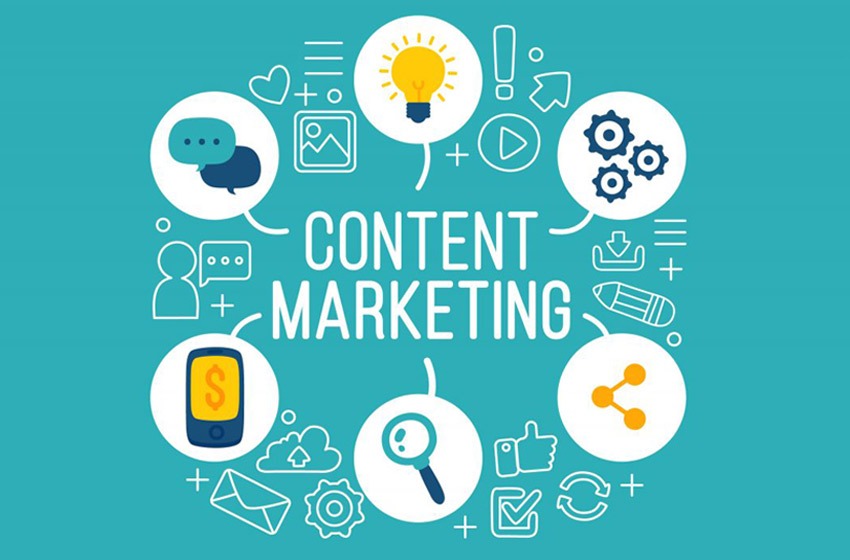
    Content marketing has become an essential component of any successful business growth strategy. By creating and distributing valuable, relevant, and consistent content, businesses can attract and retain a clearly defined audience, driving profitable customer action. In this blog post, we’ll explore the role of content marketing in your business growth and provide actionable tips to help you get started.

    Why Content Marketing Matters

    • Builds trust and credibility with your target audience
    • Establishes your brand as a thought leader in your industry
    • Drives website traffic and generates leads
    • Supports other marketing channels, such as social media and email marketing
    • Provides long-term results and ROI

    Types of Content Marketing

    • Blog posts and articles
    • Videos and podcasts
    • Social media posts and stories
    • E-books and whitepapers
    • Webinars and online courses
    • Case studies and testimonials

    How to Create a Content Marketing Strategy

    1. Define Your Goals: Identify your target audience, marketing objectives, and key performance indicators (KPIs).
    2. Conduct Audience Research: Understand your audience’s needs, preferences, and pain points.
    3. Develop a Content Calendar: Plan and organize your content in advance.
    4. Create High-Quality Content: Use a variety of formats and channels to reach your audience.
    5. Distribute and Promote: Share your content across multiple platforms and engage with your audience.
    6. Measure and Analyze: Track your results and adjust your strategy accordingly.
    Benefits of Content Marketing
    • Increased website traffic and engagement
    • Improved brand awareness and reputation
    • Lead generation and conversion
    • Cost-effective and sustainable results
    • Supports other marketing channels and strategies

    Conclusion

    Content-marketing plays a vital role in your business growth by attracting and retaining a clearly defined audience, driving profitable customer action, and supporting other marketing channels. By creating a content marketing strategy and producing high-quality content, you can establish your brand as a thought leader, build trust and credibility, and drive long-term results and ROI.

    Need help developing a content-marketing strategy? Contact us at Igrace Mediatech to learn more about our content marketing services and how we can help you achieve your business goals.

  • The Ultimate Guide to Creating a Successful Social Media Strategy

    The Ultimate Guide to Creating a Successful Social Media Strategy

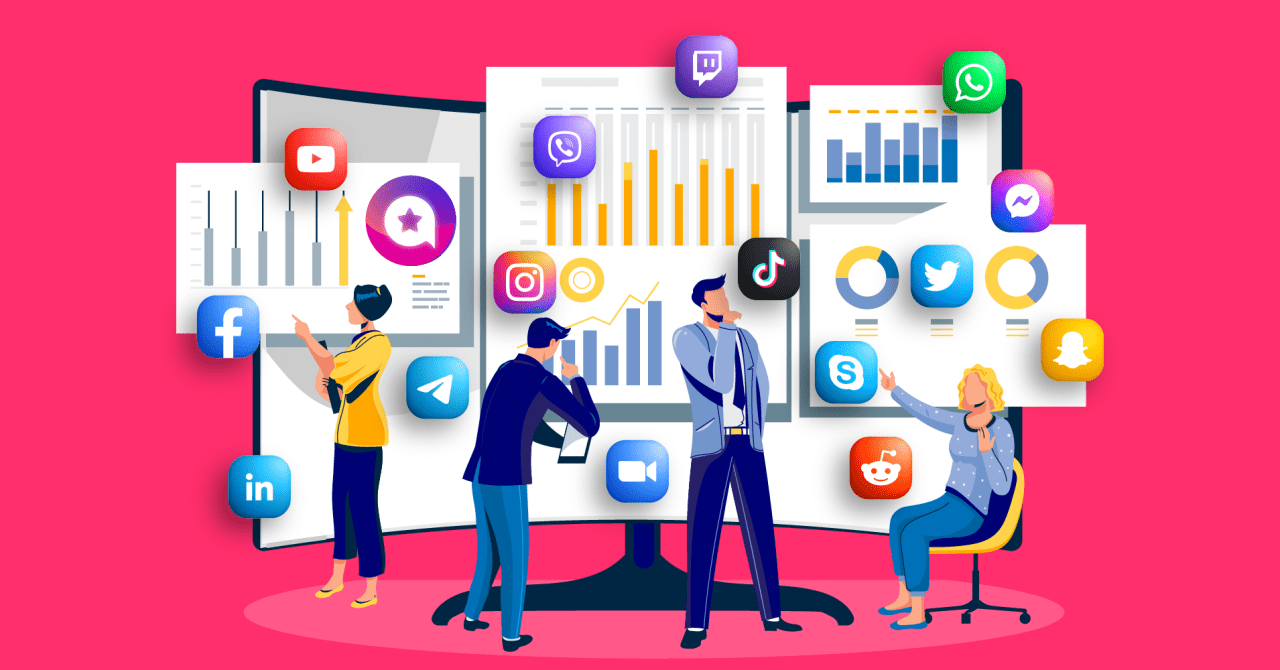
    In today’s digital age, having a solid social media strategy is crucial for any business or organization. With so many platforms and tools available, it can be overwhelming to know where to start. Here is a comprehensive guide to help you create a successful social media strategy:

    1. Define Your Goals

    • Identify your target audience and their needs
    • Determine your social media objectives (e.g., brand awareness, engagement, lead generation)
    • Set measurable and achievable goals

    2. Choose the Right Platforms

    • Select platforms where your target audience is most active (e.g., Facebook, Instagram, Twitter, LinkedIn)
    • Consider the unique features and benefits of each platform

    3. Develop Your Content Strategy

    • Create a content calendar to plan and organize your content
    • Use a mix of informative, educational, and entertaining content
    • Utilize visual content (images, videos, infographics) to enhance engagement

    4. Build Your Social Media Team

    • Designate a social media manager to oversee your strategy
    • Assemble a team with diverse skills (e.g., content creation, graphic design, analytics)
    • Collaborate with other departments (e.g., marketing, customer service) for a cohesive approach

    5. Engage with Your Audience

    • Respond promptly to comments, messages, and reviews
    • Use social listening to stay on top of industry trends and conversations
    • Foster a community by hosting webinars, contests, or Q&A sessions

    6. Monitor and Measure Performance

    • Use analytics tools (e.g., Hootsuite Insights, Sprout Social) to track engagement, reach, and conversions
    • Set up social media reporting to regularly review progress
    • Adjust your strategy based on data-driven insights

    7. Run Social Media Ads

    • Use targeted ads to reach your ideal audience
    • Choose ad formats that align with your goals (e.g., image, video, carousel ads)
    • Monitor ad performance and optimize accordingly

    8. Stay Up-to-Date with Industry Trends

    • Attend webinars, workshops, and conferences to stay current
    • Follow industry leaders and blogs for the latest news and insights
    • Experiment with new features and platforms to stay ahead of the curve

    By following these steps and staying committed to your strategy, you’ll be well on your way to creating a successful social media presence that resonates with your audience and drives results for your business.

    Need help creating a social media strategy? Contact us at Igrace Mediatech to develop a customized plan that meets your unique needs and goals.

  • The Power of SEO: How to Boost Your Online Visibility

    The Power of SEO: How to Boost Your Online Visibility

    In today’s digital landscape, having a strong online presence is crucial for any business or organization. One of the most effective ways to increase your online visibility is through Search Engine Optimization (SEO). Here are some actionable tips to help you harness the power of SEO:

    1. Keyword Research

    • Identify relevant keywords and phrases your target audience uses
    • Use tools like Google Keyword Planner or Ahrefs to find the best keywords

    2. Optimize On-Page Elements

    • Write unique and descriptive meta titles and descriptions
    • Use header tags (H1-H6) to structure your content
    • Optimize image alt tags and descriptions

    3. Create High-Quality Content

    • Produce well-researched, engaging, and informative content
    • Use variations of your target keywords throughout your content
    • Regularly update your content to keep search engines crawling back

    4. Build High-Quality Backlinks

    • Obtain links from authoritative sources in your industry
    • Use guest blogging, resource pages, and broken link building to get backlinks
    • Avoid spammy links and focus on quality over quantity

    5. Improve Your Website’s User Experience

    • Ensure your website is mobile-friendly and has fast loading speeds
    • Use clear and simple navigation and menus
    • Make sure your website is secure (HTTPS)

    6. Use Social Media to Your Advantage

    • Share your content on social media platforms
    • Engage with your audience and build relationships
    • Use social media to drive traffic to your website

    7. Monitor and Analyze Your Results

    • Use tools like Google Analytics to track your website’s traffic and engagement
    • Monitor your search engine rankings and adjust your strategy accordingly
    • Use data to make informed decisions and improve your SEO strategy

    By implementing these SEO strategies, you’ll be well on your way to boosting your online visibility and driving more traffic to your website. Remember, SEO is a long-term game, so stay consistent and patient.

    Need help improving your SEO? Contact us at Igrace Mediatech to develop a customized SEO strategy that drives results.

  • Web Development Trends to Watch in 2024

    Web Development Trends to Watch in 2024

    The web development landscape is constantly evolving, and staying ahead of the curve is crucial for businesses and developers alike. Here are the top web development trends to watch in 2024:

    1. Artificial Intelligence (AI) Integration

    AI-powered chatbots, voice assistants, and personalized content will continue to revolutionize user experiences.

    2. Progressive Web Apps (PWAs)

    PWAs offer a seamless, app-like experience for users, with improved performance, offline access, and push notifications.

    3. WebAssembly (WASM)

    WASM enables faster and more efficient coding, allowing developers to build high-performance web applications.

    4. Serverless Architecture

    Serverless architecture streamlines development, reduces costs, and enables greater scalability.

    5. Enhanced Security Measures

    As cyber threats rise, web developers will prioritize advanced security features, such as two-factor authentication and encryption.

    6. Sustainable Web Design

    Eco-friendly web design focuses on reducing carbon footprints, energy consumption, and digital waste.

    7. 3D and Augmented Reality (AR) Experiences

    Immersive 3D and AR experiences will become more prevalent, transforming e-commerce, education, and entertainment.

    8. Voice-Activated Interfaces

    Voice-activated interfaces will continue to gain traction, improving accessibility and user engagement.

    9. Personalization and Adaptive UI

    Dynamic content, AI-driven recommendations, and adaptive UI will create tailored experiences for each user.

    10. Web Performance Optimization

    Optimizing web performance will remain crucial, with a focus on speed, efficiency, and user satisfaction.

    Stay Ahead of the Curve

    In 2024, web development will be shaped by emerging technologies, user expectations, and digital transformation. By embracing these trends, businesses and developers can create innovative, engaging, and future-proof online experiences. Need help navigating these trends? Contact us at Igrace Mediatech to leverage our expertise and build a cutting-edge web presence.

  • The Importance of Mobile-Friendly Websites in Today’s Digital Age

    The Importance of Mobile-Friendly Websites in Today’s Digital Age

    In today’s digital age, having a mobile-friendly website is no longer a luxury, but a necessity. With the majority of internet users accessing websites through their mobile devices, a mobile-friendly website is crucial for any business or organization. Here are some reasons why:

    1. Improved User Experience

    A mobile-friendly website provides an optimal viewing experience for mobile users, with easy navigation, readable content, and minimal scrolling.

    2. Increased Mobile Traffic

    With most internet users accessing websites through mobile devices, a mobile friendly website ensures you don’t miss out on potential traffic.

    3. Better Search Engine Rankings

    Google prioritizes mobile-friendly websites in its search engine rankings, making it essential for improving your online visibility.

    4. Enhanced Conversions

    A mobile friendly website leads to increased conversions, as users can easily complete tasks and achieve their goals.

    5. Competitive Advantage

    A mobile-friendly website sets you apart from competitors who haven’t adapted to the mobile-first approach.

    6. Improved Brand Credibility

    A mobile-friendly website reflects positively on your brand, showcasing your commitment to user experience and adaptability.

    7. Increased Engagement

    A Mobile-friendly websites lead to increased engagement, as users are more likely to explore and interact with your content.

    8. Faster Load Times

    A Mobile-friendly websites typically have faster load times, improving user experience and search engine rankings.

    9. Better Analytics

    Mobile-friendly websites provide more accurate analytics, helping you understand your audience and improve your strategy.

    10. Future-Proofing

    A mobile-friendly website ensures you’re prepared for the continued growth of mobile internet usage.

    In conclusion, a mobile-friendly website is essential for any business or organization in today’s digital age. By prioritizing mobile-friendliness, you’ll improve user experience, increase mobile traffic, and stay ahead of the competition.

    Need help making your website mobile-friendly? Contact us at Igrace Mediatech to develop a responsive and engaging website that drives results.

  • How to Optimize Your Website’s Loading Speed

    How to Optimize Your Website’s Loading Speed

    In today’s digital age, a website loading speed is crucial for user experience, search engine rankings, and ultimately, conversion rates. A slow-loading website can lead to high bounce rates, frustrated visitors, and a loss of potential customers. Here are some actionable tips to help you optimize your website’s loading speed:

    1. Optimize Images

    • Compress images using tools like TinyPNG or ImageOptim
    • Use image formats like WebP or JPEG XR for better compression
    • Use lazy loading for non-essential images

    2. Minify and Compress Files

    • Minify HTML, CSS, and JavaScript files using tools like Gzip or Brotli
    • Compress files using tools like ZIP or 7-Zip

    3. Leverage Browser Caching

    • Enable browser caching to store frequently-used resources locally
    • Set cache expiration times to ensure updated content

    4. Use a Content Delivery Network (CDN)

    • Distribute content across multiple servers worldwide
    • Reduce distance between users and resources

    5. Optimize Server Response Time

    • Upgrade to a faster web hosting plan or server
    • Use a server-side caching mechanism like Redis or Memcached

    6. Reduce HTTP Requests

    • Minimize the number of scripts and stylesheets
    • Use CSS sprites or icon fonts

    7. Enable Keep-Alive

    • Allow multiple requests to be sent over a single connection
    • Reduce connection overhead

    8. Use a Fast Theme or Template

    • Choose a lightweight, optimized theme or template
    • Avoid bloated or poorly-coded designs

    9. Regularly Update and Monitor

    • Regularly update software, plugins, and scripts
    • Monitor performance using tools like Google PageSpeed Insights or GTmetrix

    10. Consider a Website Speed Audit

    • Hire a professional to identify and fix speed issues
    • Get personalized recommendations for improvement

    By implementing these optimization techniques, you can significantly improve your website loading speed, enhance user experience, and boost search engine rankings. Remember, every second counts!

  • The Benefits of Responsive Web Design for Your Business

    The Benefits of Responsive Web Design for Your Business

    In today’s digital landscape, having a website that adapts to different screen sizes and devices is crucial for any business. Responsive web design is no longer a nice-to-have, but a must-have for companies looking to stay ahead of the competition. Here are the benefits of responsive web design for your business:

    Improved User Experience

    A responsive website ensures that your content is easily accessible and readable on various devices, including smartphones, tablets, and desktops. This leads to a better user experience, increased engagement, and a higher chance of converting visitors into customers.

    Increased Mobile Traffic

    With the majority of internet users accessing websites through mobile devices, a responsive design ensures that your website is optimized for mobile, leading to increased mobile traffic and a wider reach.

    Better Search Engine Rankings

    Google prioritizes responsive websites in its search engine rankings, making it essential for businesses looking to improve their online visibility. A responsive design ensures that your website is optimized for search engines, increasing your chances of ranking higher.

    Faster Load Times

    Responsive websites tend to have faster load times, which is essential for improving user experience and search engine rankings. A slow-loading website can lead to high bounce rates and a loss of potential customers.

    Cost-Effective

    Having a responsive website means you only need to maintain one website, rather than separate sites for different devices. This saves you time, money, and resources in the long run.

    Competitive Advantage

    A responsive website sets you apart from competitors who haven’t adapted to the mobile-first approach. Stay ahead of the curve and establish your brand as a leader in your industry.

    Conclusion

    In today’s digital age, a responsive website is no longer a luxury, but a necessity. By incorporating responsive web design into your business strategy, you’ll improve user experience, increase mobile traffic, boost search engine rankings, and stay ahead of the competition. Ready to take your website to the next level? Contact us at Igrace Mediatech to develop a responsive website that drives results for your business.